Translating Disability: Possibilities and Perspectives
REPORT
A number of academic treatises on disability have been written over the ages. These treatises are nuanced studies on the experience of disablement. However, they have not been widely disseminated nor circulated. The Centre for Disability Research and Training proposes to establish a disability book discussion forum online so that academic works on the subject can be widely discussed triggering conversations and dialogues on the subject.
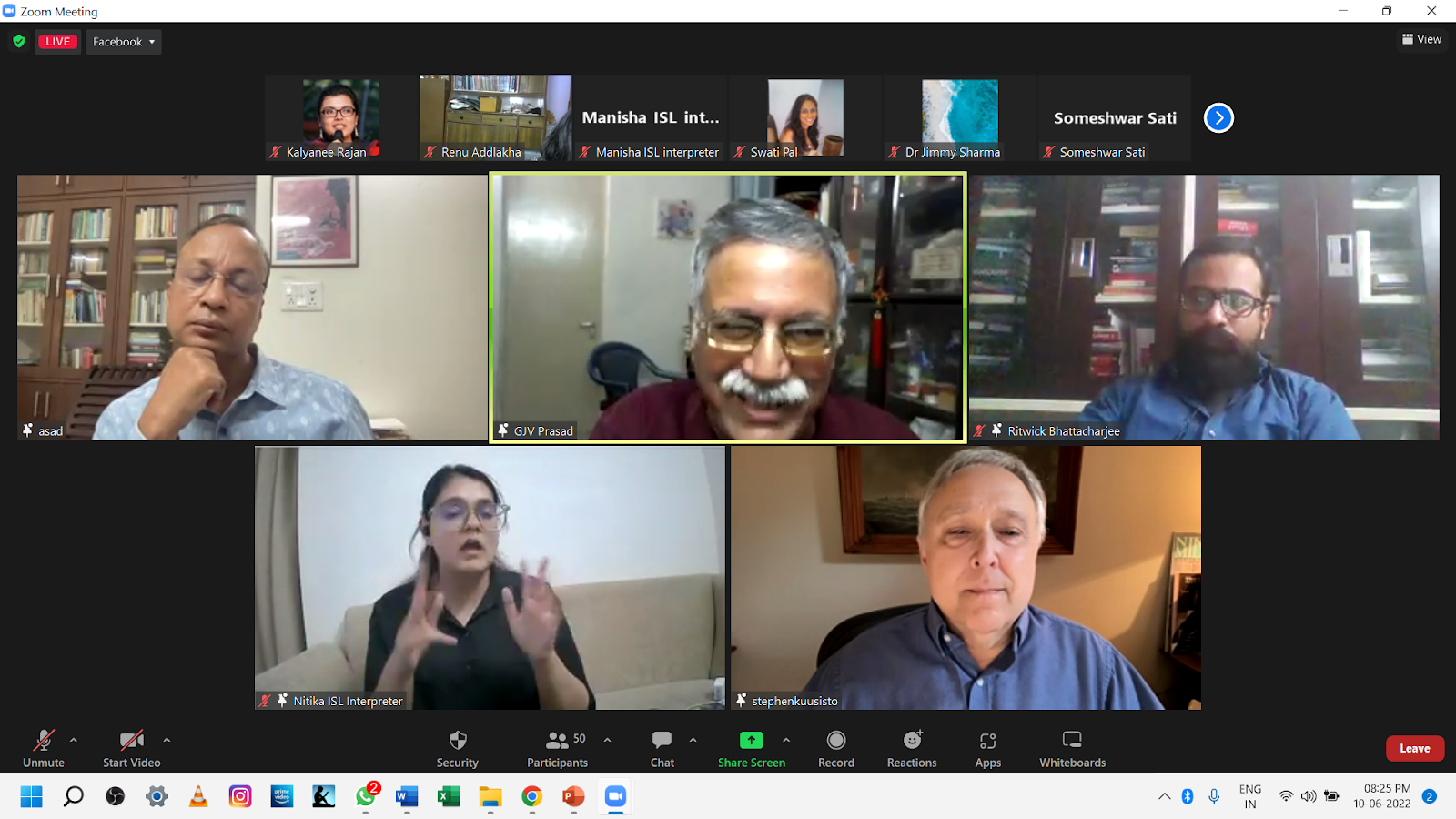
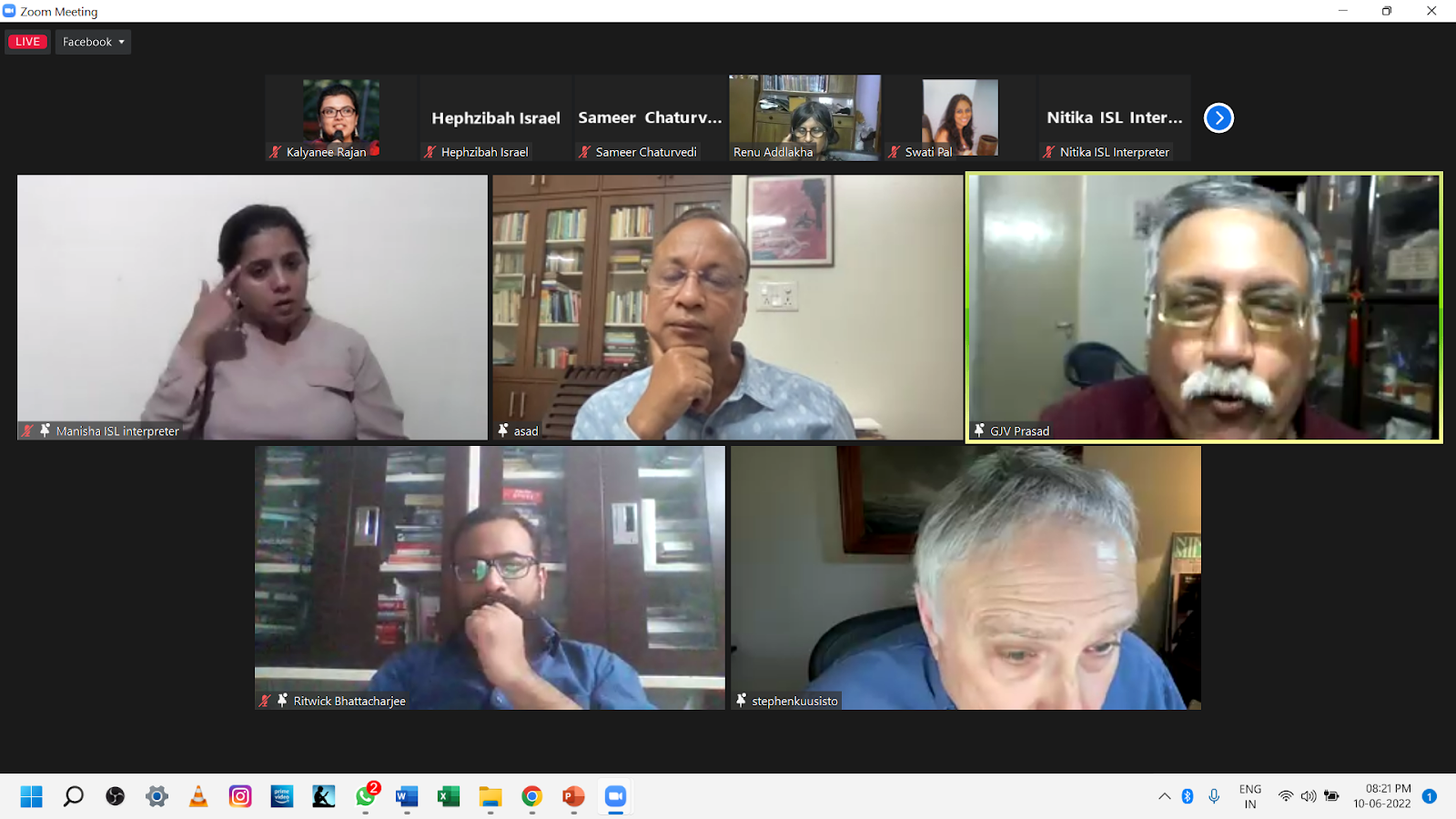
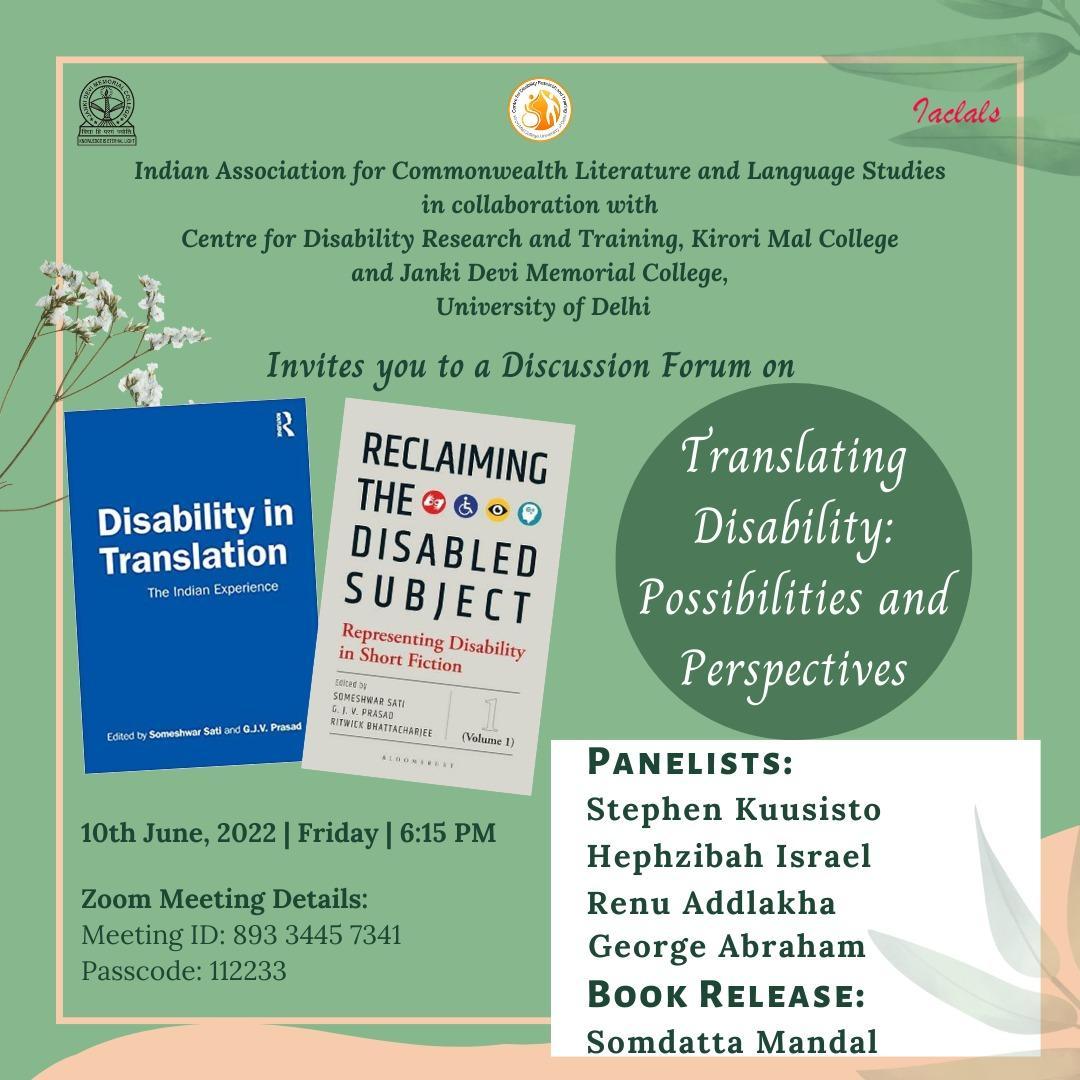
The first programme of the disability book discussion forum titled “Translating Disability: Possibilities and Perspectives” was held on 10th June, 2022. This panel discussion , attended by over 100 participants, was organised in collaboration with Indian Association for Commonwealth Literature and Language Studies IACLALS and Janki Devi Memorial College, University of Delhi. The books discussed on the occasion were “Disability in Translation: The Indian Experience”and “Reclaiming the Disabled Subject: Representing Disability in Short Fiction”. While the former, located on the cusp of Translation Studies and Disability Studies, dealt with the theoretical aspects of translating a disability text from an indian language into English and proposed that the very act of translating such texts is an act of social-literary activism, the latter translates the theory into practice creating an English database of disability short stories from 12 different Indian languages.
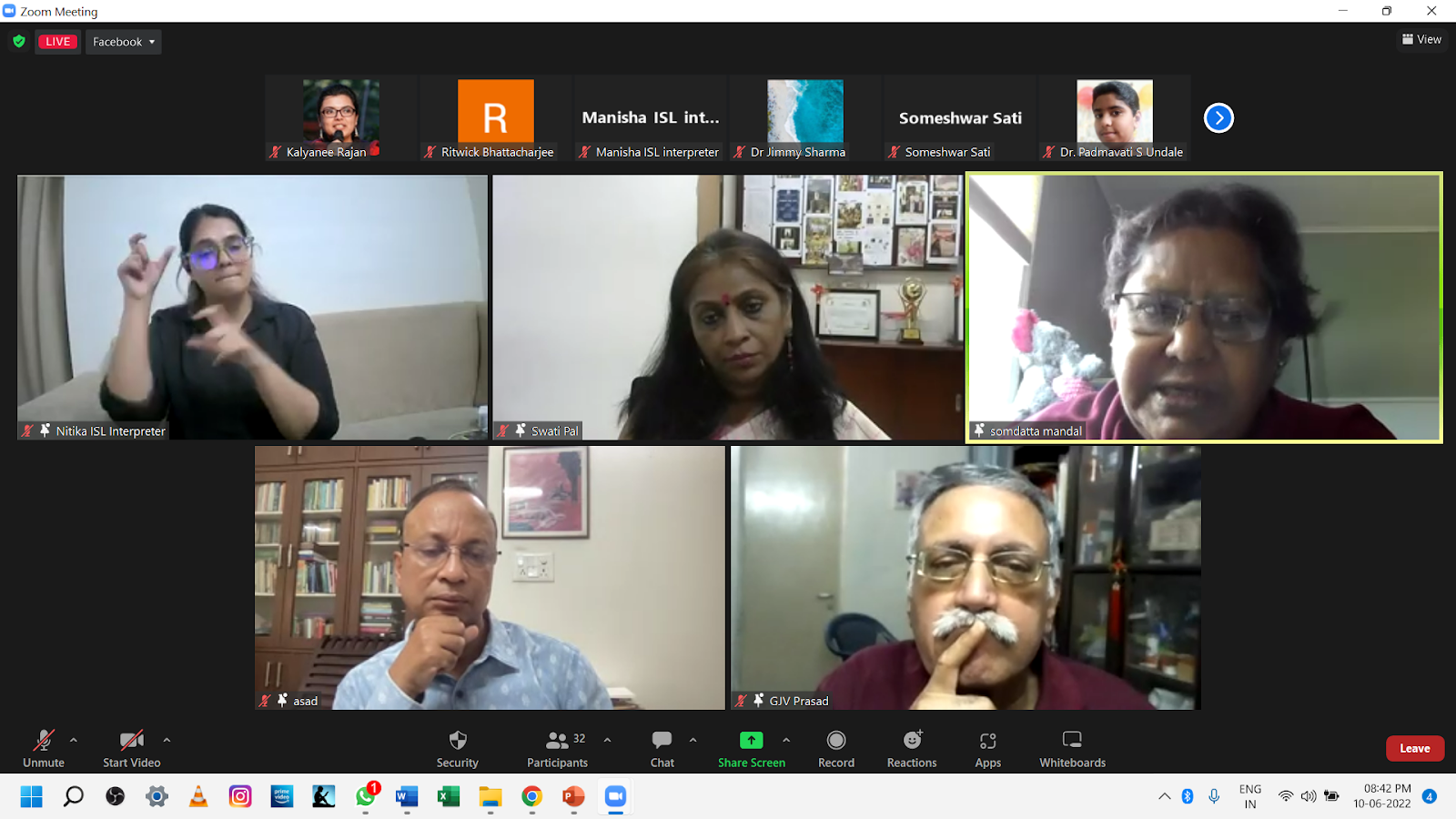
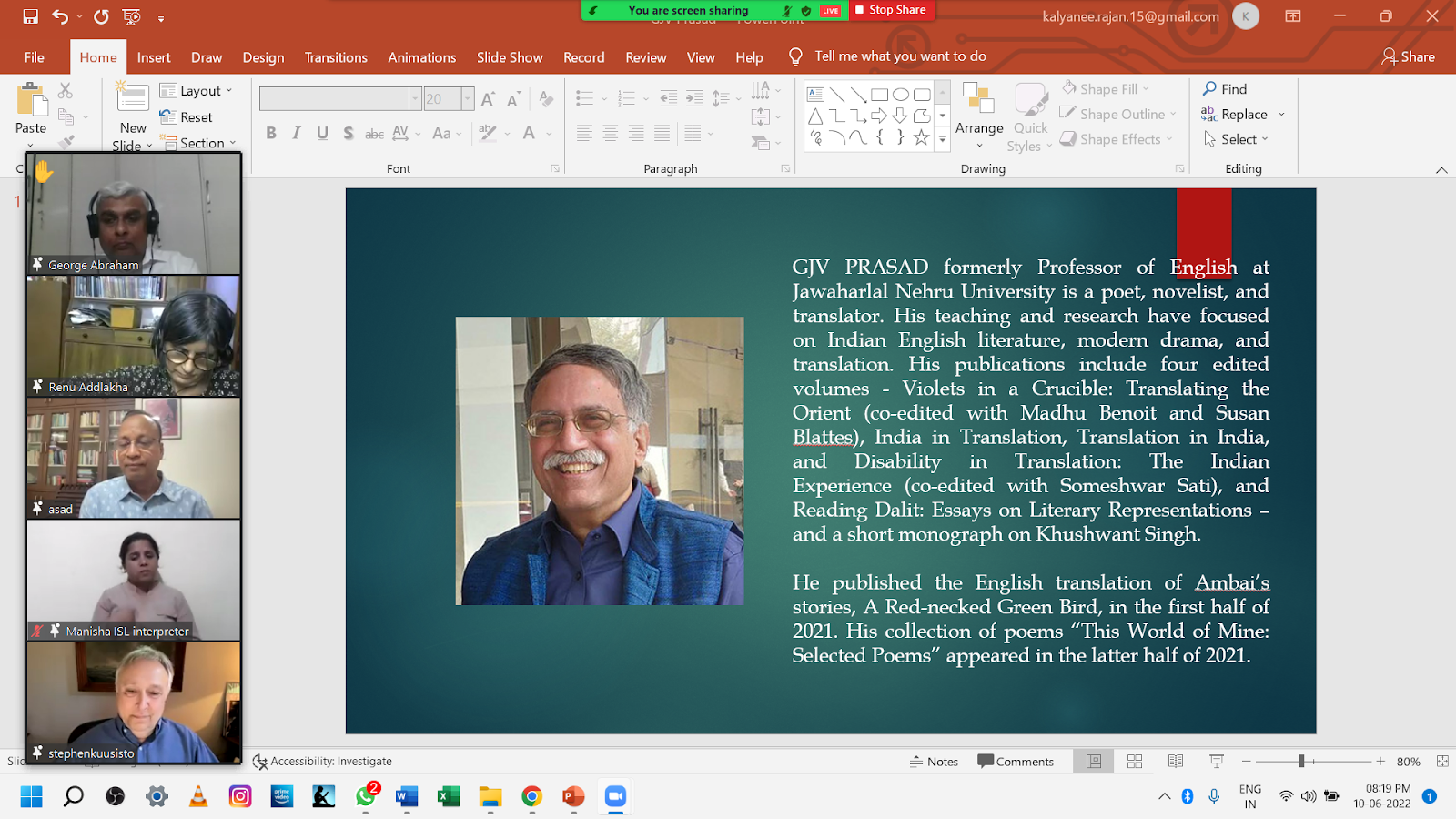
The panel discussion was chaired by Prof M Asaduddin, Chairperson, IACLALS and the panellists were Prof Stephen Kuusisto, Syracuse University, Prof Hephzibah Israel, The University of Edinburgh, Prof Renu Addlakha, Centre for Women’s Development Studies and Mr. George Abraham, Social Entrepreneur, CEO Score Foundation. All the speakers celebrated the two volumes as an important landmark in the history of the evolution of disability studies in India and perhaps the world. The books, according to them, foregrounded disability as a form of epistemology that needed to be acknowledged and legitimised. They also described the volumes as a potential database for future research and conversations around disability that could open new discursive spaces for revising traditional/ableist conceptions of disability.
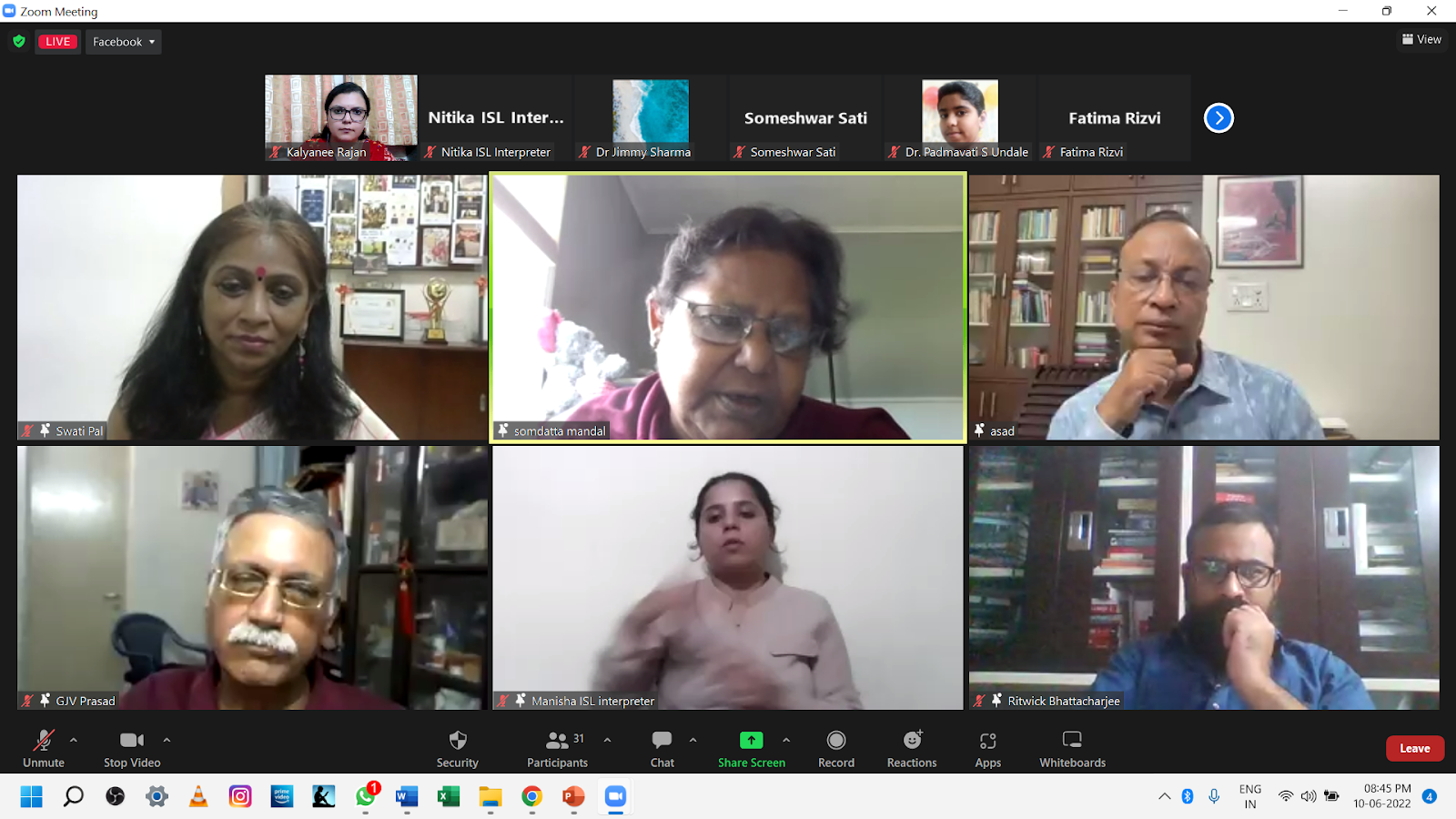
This was the first in the long series of disability book discussions organised by the Centre to propagate and popularise disability studies as a legitimate field of academic enquiry. Hopefully we will have many such discussions in the days to come.